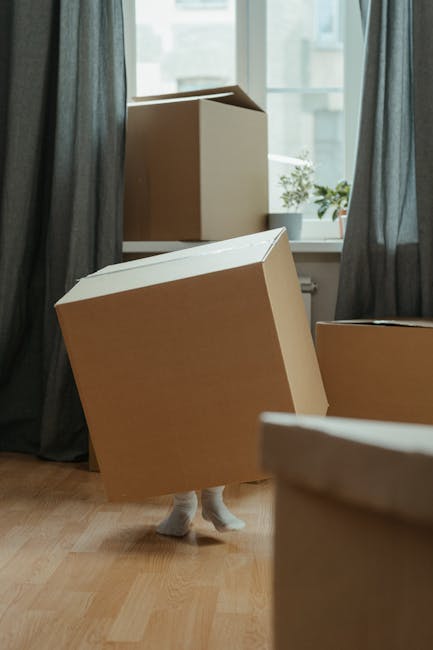
Small flat moves Swiss Cottage near Belsize Park removals tips
Moving out of a small flat in Swiss Cottage near Belsize Park can feel deceptively simple. Fewer rooms, fewer boxes, right? In practice, it often means tight stairwells, awkward parking, and a lot of furniture that somehow becomes bigger the moment you try to turn it round a landing. These Small flat moves Swiss Cottage near Belsize Park removals tips are designed to help you stay calm, organised, and realistic about the work ahead.
Whether you are shifting a studio, a one-bed, or a compact flat with a lot more stuff than you expected, the basics are the same: plan early, reduce clutter, protect the building, and choose the right moving method for the space. This guide walks through what matters, how it works, and the practical steps that make the day go much more smoothly. No waffle. Just the stuff that actually helps.
Table of Contents
- Why small flat moves in Swiss Cottage near Belsize Park matter
- How the moving process works
- Key benefits and practical advantages
- Who this is for and when it makes sense
- Step-by-step guidance
- Expert tips for better results
- Common mistakes to avoid
- Tools, resources and recommendations
- Law, compliance, standards, and best practice
- Options, methods, or comparison table
- Case study or real-world example
- Practical checklist
- Conclusion
- Frequently asked questions
Why Small flat moves Swiss Cottage near Belsize Park removals tips Matters
Small flat moves are their own category. They are not a mini version of a house move; they have different pressures. In Swiss Cottage and around Belsize Park, many flats sit in mansion blocks, converted houses, or newer apartment buildings with narrow access points, shared entrances, and limited parking. That means the move is often less about brute force and more about coordination.
If you are moving just a few streets away, it can be tempting to treat the whole thing casually. But the reality is that one badly timed van arrival or one badly packed wardrobe box can create delays that snowball. A short move still needs structure. Maybe more than you think.
There is also a local factor. The roads can be busy, pavements can be narrow, and neighbours do not always appreciate a corridor full of boxes at 8 a.m. A careful plan helps you avoid stress, keep the building tidy, and make the moving team more efficient. That usually translates into a smoother day and fewer surprises.
Key takeaway: in a compact London flat, the biggest risks are usually access, timing, and overpacking, not distance.
How Small flat moves Swiss Cottage near Belsize Park removals tips Works
A good small-flat move follows a simple pattern: assess the space, reduce what is moving, pack in a logical order, and book the right support for the access conditions. The move itself may take only a few hours, but the preparation often decides whether the day feels easy or chaotic.
Here is the basic flow most people benefit from:
- Survey the flat properly. Measure large furniture, check lift access, and look at stairs, turns, and door widths.
- Sort your belongings. Decide what is going, what is being donated, and what can be sold or stored.
- Choose packing materials. Use sturdy boxes, tape, labels, and protective wraps for fragile items.
- Book the right moving method. For a compact move, that might be a man and van service, a small removals team, or a full removals crew depending on volume.
- Prepare access and parking. Confirm loading points, lift bookings, permits if relevant, and any building rules.
- Pack by priority. Essentials first? Not quite. Essentials last, actually, so they are easy to find on arrival. Easy mistake.
- Move, unload, and settle. Place boxes into their rooms and keep fragile or essential items separate.
The practical trick is to think in zones. In a one-bed flat, for example, your kitchen items, clothes, books, and soft furnishings may all look manageable until they are stacked together in one hallway. That is when the scale becomes obvious. Breaking the job into zones keeps it sane.
Key Benefits and Practical Advantages
Well-planned removals for small flats bring a few clear advantages. Not glamorous ones, but very useful ones.
- Less wasted time: A compact property can be loaded efficiently when boxes are grouped logically and furniture is dismantled in advance.
- Lower risk of damage: Better packing and better handling reduce the chance of chipped furniture, torn bags, or broken glass.
- Reduced pressure on moving day: If you already know which items are going where, the whole operation feels calmer.
- Better use of space: Small flats often benefit from self-storage or temporary holding if you are downsizing or waiting for keys.
- Cleaner handover: Landlords and managing agents usually expect the flat to be left tidy. A good plan makes that easier.
There is another benefit people overlook: moving smaller can help you make better decisions. You notice what you own. You notice what you do not use. It is a bit revealing, truth be told. A move is often the moment when people finally admit they have three spare kettles and no favourite mug.
For anyone comparing support options, it can also be helpful to think beyond transport alone. A service such as small removals may suit a compact move, while man and van support can work well for lighter loads and quick local transfers. If you need packing help too, that can save a lot of last-minute strain.
Who This Is For and When It Makes Sense
This advice is especially useful if you are moving from a studio, a one-bedroom flat, or a compact converted property near Swiss Cottage or Belsize Park. It also suits renters who need to move quickly between tenancies, students leaving short-term accommodation, or professionals relocating within North West London.
It makes sense if any of these sound familiar:
- You have limited storage and most of your belongings are in one or two rooms.
- Your building has narrow stairs or a shared entrance that needs careful handling.
- You are moving locally and want a fast, efficient solution.
- You need temporary storage because the new place is not quite ready.
- You want to avoid paying for a larger move than you actually need.
It is also a good fit if you are trying to keep the move low-stress while working around jobs, childcare, or a tight exchange-and-completion window. Let's face it, not everyone has the luxury of a leisurely moving week with time for colour-coded labels and tea breaks every ten minutes.
If your move involves furniture, boxes, and a short distance, a combined service like flat removals or local removals may be more relevant than a full-scale household move. That is often where the best value sits.
Step-by-Step Guidance
If you want a move that feels under control, follow a simple sequence. Small flat moves work best when you stay ahead of the clutter and keep decision-making tight.
1. Start with a realistic room-by-room sort
Do not pack everything you own just because the boxes are there. Go room by room and decide what is staying, what is going, and what is not worth taking. Broken chairs, duplicate utensils, old cables, and that drawer of mystery items can usually go. The less you carry, the easier everything becomes.
2. Measure the awkward bits
Doorways, stair turns, lift sizes, and hallway corners matter more than people expect. A wardrobe that fits beautifully in the flat can still be a pain on the way out. Measure the larger items and check whether they should be dismantled before moving day. A few screws now can save a lot of swearing later. A small amount of swearing, fine. A lot, less ideal.
3. Protect fragile and valuable items first
Pack glassware, mirrors, monitors, and lamps carefully. Use smaller boxes for heavy items so they are not too cumbersome. Label them clearly, but keep the writing simple. "Kitchen fragile" is better than a cryptic code you will forget by lunchtime.
4. Prepare a first-night box
This is one of the best removals tips for small flats, and yet people skip it all the time. Put together a box or bag with essentials: phone charger, toiletries, medication, tea, kettle supplies, a towel, basic tools, and clean clothes. If you arrive late and tired, you will be grateful you did. That quiet moment when you can make a drink and sit down matters more than people admit.
5. Arrange access and timing
If your building has a lift booking system, concierge rules, or loading restrictions, sort those out early. In busier parts of London, timing can make a real difference. A van that arrives at the wrong moment can be stuck waiting while everyone around you tries to get on with their day. Not fun.
6. Load in the right order
Heavy items and furniture usually go in first, with fragile boxes and essentials loaded where they will not be crushed. If you are using a removals team, ask them to keep important boxes accessible. The goal is not just to fit everything in; it is to make unloading smooth at the other end.
7. Do a final flat check
Before you hand back keys, open cupboards, check behind doors, and look under beds. Small flats can hide a surprising amount of stuff in tiny places. One overlooked charger or document can become oddly important once you are gone. It happens.
Expert Tips for Better Results
Here are the practical touches that make a genuine difference on a small flat move near Swiss Cottage and Belsize Park.
- Use fewer, stronger boxes. Too many half-filled boxes waste space and make stacking unstable.
- Keep hallways clear. In small flats, the hallway becomes a working corridor. Do not let it turn into a storage cave.
- Label by destination room, not by item type alone. "Bedroom books" is more useful than just "books".
- Take photos of cable setups. It sounds minor, but it saves time when reconnecting a TV, router, or desk setup.
- Separate paperwork, keys, and valuables. Keep them with you, not in the van.
- Book packing support if you are short on time. packing services can be a good investment when work, family, or a tight deadline makes DIY packing unrealistic.
- Ask about storage if completion dates are uncertain. A flexible option such as removals and storage can reduce pressure if there is a gap between leaving and moving in.
A small but important tip: keep cleaning supplies separate from your essentials. You do not want to unpack bleach before you have found your toothbrush. Been there, seen it. Slightly ridiculous, but very common.
Another useful habit is to leave a little breathing room in each box. Overpacked boxes are harder to lift and more likely to burst at the bottom. The extra two minutes spent packing properly can save a whole mess later.
Common Mistakes to Avoid
Most moving headaches come from a handful of predictable mistakes. The good news? They are easy to avoid if you notice them early.
- Underestimating the volume. Small flats often look simpler than they are. Books, kitchenware, and clothes add up fast.
- Leaving packing until the night before. That usually leads to rushed boxing, poor labelling, and missing essentials.
- Ignoring building access rules. If the lift is booked or the entrance has a loading window, missing it can throw the day off.
- Not dismantling furniture in time. When a bed frame or table is still intact at 7 a.m., the schedule tends to wobble.
- Mixing essentials with general items. It makes the first night much harder than it needs to be.
- Forgetting insurance or liability questions. If anything valuable is being moved, know what cover is in place.
There is a subtle one too: keeping sentimental items in open boxes "for now". Those are the boxes that somehow never get unpacked properly. If something matters, give it a safe, labelled home from the start.
Tools, Resources and Recommendations
You do not need specialist kit for a small flat move, but a few practical tools make the whole process cleaner and safer.
| Tool or resource | Why it helps | Best use case |
|---|---|---|
| Strong double-walled boxes | Holds heavier items more safely | Books, kitchenware, small appliances |
| Parcel tape and dispenser | Keeps boxes sealed properly | General packing and labelling |
| Bubble wrap or paper wrap | Protects fragile surfaces | Glass, ceramics, lamps, frames |
| Furniture blankets | Reduces scuffs and dents | Tables, wardrobes, sofas |
| Marker pens and labels | Makes unloading faster | Room-based sorting |
| Temporary storage options | Bridges gaps between move-out and move-in | Delayed completions or downsizing |
For readers weighing up different support options, the following services often fit small flat moving jobs well: removals, man and van, and short-term storage. If you are moving out of a furnished flat or have items you do not want to carry immediately, furniture storage and household storage can also be worth considering.
It also helps to check company information that explains how bookings, payments, and security are handled. For example, pages covering pricing and quotes, payment and security, and insurance and safety can tell you a lot about what to expect before you commit.
Law, Compliance, Standards, and Best Practice
For a small residential move, the legal side is usually straightforward, but there are still a few things worth taking seriously. First, if you live in a managed block, follow any rules about lift booking, moving hours, communal areas, and waste disposal. Those rules may come from the landlord, freeholder, or managing agent, and they are there to protect the building and the neighbours.
Second, safe lifting matters. Heavy boxes should be packed sensibly, not crammed until the tape bows. That is basic best practice and, frankly, common sense. If something is too awkward or too heavy to carry safely, split it up or get help.
Third, make sure you know the condition of your belongings before transport. Good movers normally discuss liability, handling expectations, and insurance arrangements in a clear way. It is smart to read the relevant policy or terms before the day. If you are unsure, ask questions early rather than after the sofa has already left the building.
Fourth, if you are disposing of items, recycling and reuse are the better route where possible. A move is often the moment when old furniture, cardboard, and unwanted household goods need proper sorting. Choosing a service with sensible waste handling and recycling and sustainability practices is a solid habit, not a luxury.
There are also basic business standards to look for: clear communication, transparent quotations, punctual arrival, careful handling, and fair complaints processes if something goes wrong. The quieter the service sounds before the move, usually the better organised it is on the day. Usually.
If you want the formal background on company policies, the pages for terms and conditions, complaints procedure, and health and safety policy are worth reviewing. They help set realistic expectations, which is half the battle.
Options, Methods, or Comparison Table
Different move sizes call for different methods. If you are deciding how to handle a small flat move near Belsize Park, this simple comparison can help.
| Method | Best for | Pros | Watch-outs |
|---|---|---|---|
| DIY with car or rental van | Very small loads, minimal furniture | Low upfront cost, flexible timing | More physical work, parking hassle, higher risk of damage |
| Man and van | Studio or one-bed local move | Efficient, lighter-touch support, often good for short distances | May not suit larger or complex access jobs |
| Small removals team | Compact flat with furniture or stairs | More handling support, better for awkward items | Can cost more than basic transport |
| Removals plus storage | Delayed move-in, downsizing, or decluttering | Extra flexibility, less pressure on move day | Requires planning and access to storage arrangements |
If you are choosing between these, ask yourself two things: how much heavy furniture do you actually have, and how awkward is the access? Those two answers usually tell the story. A tiny flat with a heavy oak bed and four flights of stairs is not really a tiny move at all.
Case Study or Real-World Example
Here is a realistic example based on the sort of move many people around Swiss Cottage face.
A renter in a one-bedroom flat near the Finchley Road area is moving to another nearby property after a short tenancy. At first glance, the job looks simple: a bed, a sofa, a few boxes, kitchen items, and a desk. But the details change things. The old building has a narrow stairwell, the sofa has to turn sharply at the landing, and the new building only allows unloading during a limited window.
The smart move is to dismantle the bed the day before, pack fragile items in smaller boxes, and keep a first-night bag aside. The mover books a vehicle that suits the street access, checks the parking situation, and loads the furniture first. The tenant keeps keys, documents, and chargers in a separate bag, so there is no frantic rummaging at the end of the day.
The result? A move that feels controlled rather than rushed. There is still dust, there is still a bit of noise, and somebody still discovers a mysterious cable in a kitchen drawer. But the job finishes on time, the flat is left tidy, and the tenant can make tea in the new place without hunting for a kettle in a sea of cardboard.
If you want a related local moving checklist, the guide on Swiss Cottage station area house removals checklist is a useful companion read, especially if your route includes tight access or a busy station-side location. For people moving into smaller apartments nearby, moving to Finchley Road flats also covers practical local considerations.
Practical Checklist
Use this checklist a few days before the move. It keeps the important stuff visible, which is half the job.
- Declutter each room and remove anything not worth taking.
- Measure large furniture and compare it with doorways and stairs.
- Book your moving support and confirm the time window.
- Check building rules, lift bookings, and parking arrangements.
- Collect boxes, tape, labels, wrap, and basic tools.
- Pack fragile items carefully and label them clearly.
- Prepare a first-night bag with essentials.
- Set aside valuables, documents, and keys for personal transport.
- Tell relevant parties about your new address where needed.
- Do a final sweep of cupboards, shelves, and under furniture.
Practical summary: if you handle decluttering, access, and packing order early, the rest of the move becomes far easier. That really is the core of it.
Get a free quote today and see how much you can save.
Conclusion
Small flat moves in Swiss Cottage near Belsize Park do not need to be stressful, but they do need thought. The trick is to respect the small details: the awkward corner, the lift booking, the overfilled box, the one bag you will definitely want on arrival. Once those are handled, the whole day feels lighter.
Whether you are moving a studio around the corner or a one-bed with a few bulky pieces, the best results come from preparation, clear communication, and realistic choices about support. Keep it simple, keep it organised, and do not let the move become bigger in your head than it is in real life. You have got this, honestly.
Frequently Asked Questions
What are the best small flat moves Swiss Cottage near Belsize Park removals tips for a tight hallway?
Measure large furniture in advance, dismantle what you can, and keep the hallway clear so boxes and tools do not block movement. In a narrow flat, one clear route is worth more than ten rushed trips.
How far in advance should I book a removals service for a small flat?
For a local small flat move, booking a little in advance is sensible, especially if you need a preferred time slot or building access coordination. If your date is flexible, you may have more choice, but leaving it too late tends to limit options.
Is a man and van enough for a studio or one-bedroom flat?
Often yes, if the load is light and access is straightforward. If you have bulky furniture, stairs, or fragile items, a slightly larger removals setup may be more practical.
Should I use storage during a small flat move?
Storage can be very useful if your move-out and move-in dates do not line up, or if you are downsizing and want time to sort things properly. Short-term storage is especially handy when the new place is not ready yet.
What should go in my first-night box?
Include toiletries, phone chargers, medication, a change of clothes, tea or coffee supplies, a towel, and basic essentials you will want immediately. Keep it separate from the main boxes so it does not disappear into the van.
How can I save money on a small flat move?
Declutter before you move, pack yourself where possible, and choose a service that suits the actual size of the job. Paying for more vehicle and labour than you need is where costs quietly creep up.
What is the biggest mistake people make with small flat removals?
Underestimating how long packing and access checks take. The move itself may be quick, but only if the prep is done properly.
Do I need to dismantle furniture before moving day?
Usually for larger items, yes. Bed frames, table legs, and some shelving units are much easier to handle when broken down in advance. It saves space and reduces the chance of damage.
How do I make sure fragile items stay safe?
Use smaller boxes, proper wrapping, and clear labels. Avoid mixing heavy items with fragile ones, and keep delicate boxes on top during loading.
What should I check before letting the movers start?
Confirm access, parking, destination address, any building rules, and which items are going. It sounds basic, but a quick five-minute check can prevent a lot of confusion later.
Are there specific rules for flats in London I should think about?
Yes, usually building-specific rules matter most: lift bookings, permitted move times, and loading or parking arrangements. Those are often more important than any generic moving advice.
Can I combine removals and packing help for a small flat?
Yes, and for many people that is the most practical option. It keeps the job streamlined and reduces the risk of last-minute rushing, especially if work or family commitments are in the way.